

frosted float glass
Understanding Thread Gauge Plugs A Comprehensive Guide Thread gauge plugs are essential tools in various industries, particularly in manufacturing, engineering, and quality control. These plugs are designed to measure the internal thread specifications of a component, ensuring that parts fit together as intended and function correctly. With the increasing complexity of mechanical assemblies, understanding how thread gauge plugs work and their applications is vital for maintaining high standards of precision and quality in production. What is a Thread Gauge Plug? A thread gauge plug is a precision instrument that verifies the dimensions and quality of internal threads within a component. The plug features a specific thread profile cut into it, which corresponds to a particular standard, such as ANSI, ISO, or JIS. These plugs are often made from high-quality steel and can undergo various treatments to enhance durability and resistance to wear. Thread gauge plugs can be classified into two main categories Go and No-Go gauges. The Go gauge checks if the internal thread is within tolerable limits, allowing for a smooth fit of the mating part. In contrast, the No-Go gauge ensures that the thread does not exceed the maximum acceptable limits. Together, these gauges help enforce consistency in manufacturing processes and reduce the likelihood of assembly issues. The Importance of Thread Gauge Plugs Understanding the importance of thread gauge plugs is crucial for maintaining quality control and ensuring the longevity of assembled products. Here are several reasons why they are so valuable in manufacturing 1. Quality Assurance By utilizing thread gauge plugs, manufacturers can establish a systematic approach to inspecting threaded components. Regular inspections prevent defects from reaching the final assembly stage, ensuring that every part functions as designed. 2. Consistency In large-scale production, maintaining consistency across components is vital. Thread gauge plugs help standardize measurements, reducing variations that can lead to fitting issues when parts are assembled. 3. Cost Efficiency Identifying and resolving thread issues early in the production process can save significant costs associated with rework or scrapping defective parts . Investing in proper measurement tools, such as thread gauge plugs, ultimately contributes to a more efficient manufacturing process. thread gauge plug 4. Enhanced Performance Components that fit together correctly are less likely to encounter stress or fatigue during operation. Ensuring precise threading can enhance the lifespan of the end product and improve overall performance. How to Use Thread Gauge Plugs The proper use of thread gauge plugs is critical for accurate measurement. Here are the steps to follow 1. Select the Appropriate Gauge Choose the plug gauge that corresponds to the thread specification you are measuring. It is essential to ensure that you are using the correct standard for your application. 2. Clean the Threaded Area Before inserting the gauge, ensure that the internal threads are clean and free of debris. Dirt or oil can lead to inaccurate measurements. 3. Test the Go Gauge First Insert the Go gauge into the threaded hole. It should easily engage, indicating that the thread is within acceptable limits. If it does not fit, the thread may be undersized. 4. Check with the No-Go Gauge Following the Go gauge test, insert the No-Go gauge. It should not engage with the thread; if it does, the thread is oversized or out of tolerance. 5. Document and Evaluate the Results After testing both gauges, record the results. If any discrepancies are found, review the manufacturing process to identify potential areas for improvement. Conclusion Thread gauge plugs are critical tools for ensuring the quality and consistency of threaded components in various industries. Their role in quality control cannot be overstated, as they help maintain the standards necessary for seamless mechanical assemblies. Understanding the functioning and application of thread gauge plugs is essential for anyone involved in manufacturing or quality assurance, highlighting their contribution to efficient production processes and enhanced product performance. Proper use of these gauges can lead to significant long-term benefits, making them an indispensable asset in any manufacturing environment.
about
frosted float glass
El medidor de diámetro estándar, conocido como standard bore gage en inglés, es una herramienta crucial utilizada en diversas industrias para medir el diámetro interno de cilindros, tubos y otras estructuras cilíndricas. Su precisión y facilidad de uso lo convierten en un equipo esencial para ingenieros, mecánicos y técnicos de calidad en los procesos de fabricación y control. El medidor de diámetro estándar, conocido como standard bore gage en inglés, es una herramienta crucial utilizada en diversas industrias para medir el diámetro interno de cilindros, tubos y otras estructuras cilíndricas . Su precisión y facilidad de uso lo convierten en un equipo esencial para ingenieros, mecánicos y técnicos de calidad en los procesos de fabricación y control. Los medidores de diámetro estándar vienen en diferentes tipos, desde los más simples, que tienen un diseño mecánico básico, hasta aquellos que incorporan tecnología avanzada, como sistemas electrónicos que pueden ofrecer lecturas instantáneas y almacenamiento de datos. Algunos modelos también permiten la calibración para asegurarse de que las mediciones se mantengan dentro de un rango aceptable de error. standard bore gage El uso de un medidor de diámetro estándar no solo se limita a la industria manufacturera. En el campo de la automoción, por ejemplo, se utilizan para verificar el diámetro de cilindros en motores, asegurando que funcionen correctamente y que se mantengan dentro de las especificaciones del fabricante. Además, en la construcción, estos medidores pueden ser utilizados para inspeccionar tuberías y otros componentes arquitectónicos. Un aspecto crucial en el uso de estos medidores es la formación adecuada de los operarios, ya que una mala técnica de medición puede llevar a errores costosos en la producción. Por lo tanto, las empresas suelen invertir en capacitación para garantizar que su personal esté familiarizado con el uso adecuado del medidor de diámetro estándar. En resumen, el medidor de diámetro estándar es una herramienta fundamental en la medición de componentes cilíndricos, que ayuda a mantener la calidad y precisión en la fabricación. Su desarrollo y evolución han permitido a las industrias mejorar sus procesos y productos, asegurando que cada pieza cumpla con los estándares más altos. A medida que la tecnología avanza, es probable que veamos aún más innovaciones en la forma en que se utilizan estos medidores en diversas aplicaciones industriales.
-

High quality industrial productsagement

High quality industrial products
View Details -

Meet the diverse needs of customers

Meet the diverse needs of customers
View Details -

Strict quality control

Strict quality control
View Details -

Top raw materials

Top raw materials
View Details -

Trusted supplier

Trusted supplier
View Details
Our application


news and information
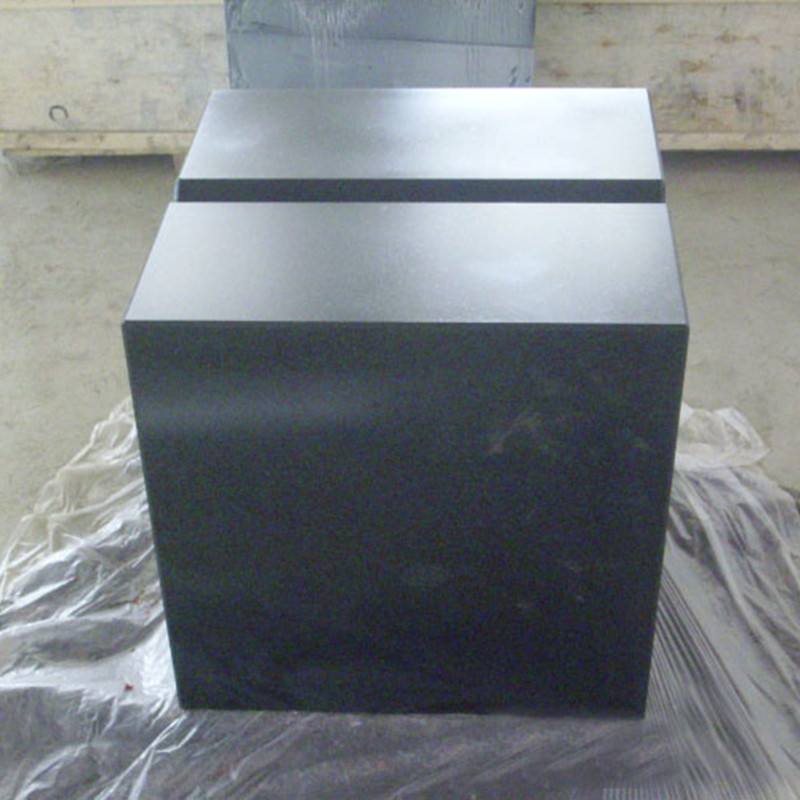
Water Hose Shutoff Valve for Easy Control and Efficient Watering Solutions
The Importance of a Water Hose Shut-Off Valve A Garden Essential In the world of gardening and outdo
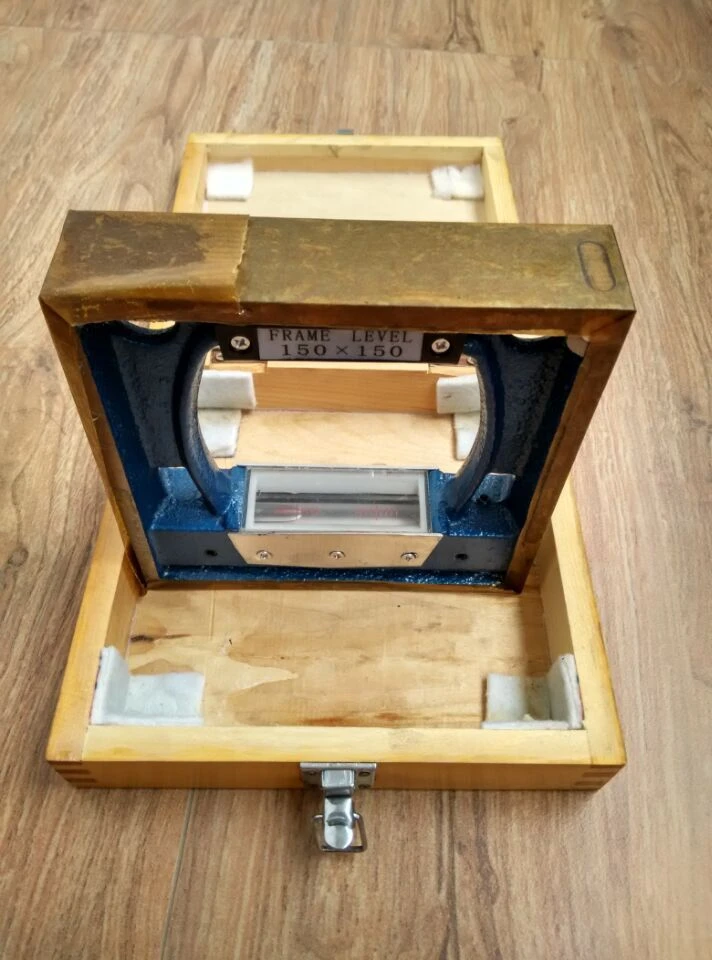
Wholesale Supply of High-Quality Ball Valves for Various Industrial Applications
The Wholesale Market for Ball Valves An In-Depth Analysis Ball valves are essential components in va

v block price
Understanding V Block Price An Overview In the ever-evolving landscape of digital currencies and bl
 English